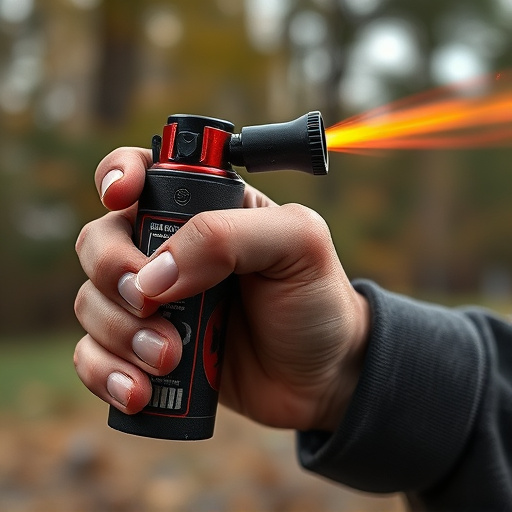
This text compares pepper spray and Tasers as non-lethal force options, focusing on their unique properties and effectiveness. Pepper spray, with capsaicin causing temporary blindness and breathing difficulties, offers a wider range but may cause injuries. Tasers use electrical current to temporarily paralyze without permanent harm, but have a shorter reach. The choice depends on scenario: pepper spray for distance, Tasers for consistent targeting. Both require understanding legal boundaries, safety protocols, and proper use to avoid serious consequences.
In today’s world, knowing how to defend yourself against attackers is crucial. This guide explores two popular self-defense tools: pepper spray and Tasers. We’ll delve into their composition, effects, advantages, and disadvantages, offering a comprehensive comparative analysis of their effectiveness. Additionally, we’ll discuss legal considerations and essential safety precautions when using aerosol sprays, ensuring informed decision-making for personal safety.
- Understanding Pepper Spray: Its Composition and Effects
- Taser Technology: How It Works and Its Advantages
- Comparative Analysis: Pepper Spray vs Taser for Self-Defense
- Legal Considerations and Safety Precautions When Using Aerosol Sprays
Understanding Pepper Spray: Its Composition and Effects
Pepper spray, a type of aerosol defense agent, is designed to disable an attacker temporarily through the use of capsaicin, the active ingredient found in chili peppers. This irritant targets the eyes, nose, and respiratory system, causing intense pain, temporary blindness, and difficulty breathing. Its effectiveness lies in its ability to create a significant enough distraction for the user to escape or seek help.
When compared to Tasers, which use electrical current to disrupt muscle control, pepper spray has distinct advantages and limitations. While both aim to subdue an assailant, pepper spray offers a non-lethal option with a wide reach, making it easier to deploy in close quarters. However, Tasers can temporarily incapacitate without causing permanent harm, whereas pepper spray may result in eye injuries or respiratory distress if not used responsibly.
Taser Technology: How It Works and Its Advantages
Taser technology, a modern non-lethal self-defense tool, has revolutionized personal safety. Unlike traditional pepper spray, which creates a temporary irritant effect, Tasers use electrical current to disrupt an attacker’s muscular control, rendering them temporarily incapacitated. This innovative approach offers several advantages in personal defense scenarios.
When deployed, Tasers fire small probes that deliver a precise electric shock, allowing users to disable aggressive individuals without causing permanent harm. The advantage over pepper spray lies in its consistency and controlled impact. Pepper spray can be affected by wind or distance, making it less reliable in certain situations. In contrast, Tasers provide a more dependable and targeted defense, ensuring users can maintain their safety until help arrives.
Comparative Analysis: Pepper Spray vs Taser for Self-Defense
In the self-defense arsenal, pepper spray and tasers are two prominent tools often compared for their effectiveness against attackers. Pepper spray, a common choice, creates a burning sensation in the eyes, temporarily blinding and disorienting the assailant. Its main active ingredient, capsaicin, overstimulates nerve endings, causing intense pain and making it difficult for the target to breathe or see. On the other hand, tasers use electric current to disrupt muscle control, leading to temporary paralysis. While both offer powerful deterrents, a comparative analysis reveals unique advantages and limitations.
In terms of effectiveness, pepper spray has a broader range, typically reaching up to 30 feet, making it suitable for creating distance between the user and the attacker. It’s a good option for close-quarters combat or when an assailant is trying to grab the victim. Tasers, however, have a shorter effective range of about 15-20 feet but deliver a powerful jolt that can subdue larger or more aggressive individuals, providing an advantage in certain high-risk situations. The choice between them depends on personal preference, training, and the specific threat level faced by the individual seeking self-defense.
Legal Considerations and Safety Precautions When Using Aerosol Sprays
When considering aerosol sprays for self-defense, it’s crucial to understand the legal implications and safety precautions involved. The use of pepper spray, a common choice for personal protection, is governed by state and local laws that vary widely across regions. In many areas, carrying pepper spray is legal with certain restrictions, such as permitted locations (e.g., self-defense in your home or vehicle) and age limitations. However, using pepper spray on someone without justification can result in criminal charges and civil lawsuits.
Safety precautions are paramount when handling aerosol sprays like pepper spray or Tasers. These devices should only be deployed as a last resort when facing an imminent threat. It’s essential to familiarize yourself with the mechanism, range, and de-escalation techniques before considering them as defensive tools. Regular maintenance and proper storage are also critical to ensure the spray remains effective when needed. Always aim for non-lethal options first, focusing on eyes and face to disable an attacker without causing severe harm.
When it comes to self-defense, both pepper spray and tasers offer effective solutions, each with unique advantages. Understanding their composition, effects, and legal implications is key to making an informed choice. While pepper spray creates temporary blindness and respiratory distress, tasers use electric current to immobilize attackers. In terms of effectiveness, both have proven successful in deterring and disabling assailants. However, tasers may offer a faster response time and longer-lasting immunity. Ultimately, the best defense tool depends on individual preferences, situations, and local regulations, emphasizing the importance of proper training and safety precautions when carrying aerosol sprays.