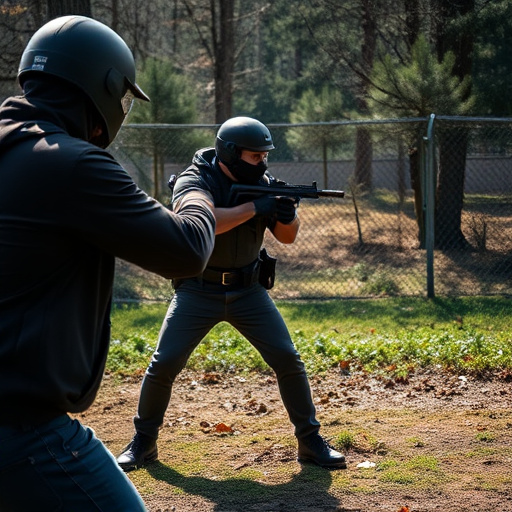
While pepper spray irritates with capsaicin, Tasers disrupt muscle control, offering distinct advantages in personal defense. Tasers are generally more regulated due to potential severity but provide superior effectiveness against larger assailants. Choosing between them requires understanding local laws and considering specific needs, as both have unique strengths and limitations in terms of Pepper Spray Vs Taser Effectiveness.
In today’s uncertain times, personal safety is paramount. Among self-defense tools, pocket-sized pepper spray and Tasers stand out as popular options for individuals seeking protection on the go. This article delves into the intricacies of these devices, exploring their active ingredients (Pepper Spray vs Taser effectiveness), operation, legal aspects, and how to choose between them. By understanding the nuances of each, you can make an informed decision for your safety.
- Understanding Pepper Spray: Active Ingredients & Effects
- Taser Technology: Operation & Comparative Power Analysis
- Legal Considerations: Use & Possession of Both Devices
- Choosing Between Them: Factors to Determine Optimal Self-Defense Tool
Understanding Pepper Spray: Active Ingredients & Effects
Pepper spray, a common personal defense tool, contains capsaicin, the active ingredient found in chili peppers. When sprayed, it irritates the eyes, nose, and respiratory system, temporarily disabling an attacker. This non-lethal force option provides individuals with a means to protect themselves in various situations, offering a significant advantage over physical self-defense alone.
Comparing pepper spray to a Taser, another popular personal defense device, reveals distinct differences in effectiveness. While both aim to incapacitate an aggressor, Tasers use electrical current to disrupt muscle control, whereas pepper spray relies on chemical irritation. In terms of range and duration, pepper spray typically offers a longer reach and more prolonged effects, making it a preferred choice for those seeking a broader safety net. However, the Pepper Spray Vs Taser debate continues as individuals weigh the pros and cons based on their specific needs and local regulations.
Taser Technology: Operation & Comparative Power Analysis
Taser technology, a prominent personal defense tool, operates through delivering an electric shock, temporarily incapacitating a target. Unlike pepper spray, which irritates the eyes and respiratory system, Tasers aim to disrupt muscular control, causing the individual to fall to the ground and remain immobile for several minutes.
In terms of effectiveness, Tasers generally offer a stronger defensive capability compared to pepper spray. While pepper spray may provide a temporary sting and irritation, Tasers can render an attacker helpless, offering users a more comprehensive safety solution. This comparative power analysis highlights the advantages of Taser technology in personal defense scenarios, especially for individuals facing larger or more aggressive assailants.
Legal Considerations: Use & Possession of Both Devices
When considering a pocket-sized personal defense spray device, it’s crucial to understand the legal landscape surrounding their use and possession. The legality of pepper spray and Tasers varies greatly depending on location, with some areas having strict regulations or outright bans. Pepper spray is often considered less restrictive as it temporarily incapacitates an aggressor without causing serious harm, but it can still be subject to specific restrictions.
In contrast, Tasers, which use electrical current to disrupt muscle control, are generally more regulated due to their potential for severe injury. Both devices have their effectiveness debated—pepper spray vs Taser—with advocates arguing the merits based on safety, accessibility, and deterrence. Staying informed about local laws is essential to ensure compliance and maximize personal protection without legal repercussions.
Choosing Between Them: Factors to Determine Optimal Self-Defense Tool
When considering a pocket-sized personal defense spray device, users often face a choice between pepper spray and a Taser. Both have their merits in terms of effectiveness against potential attackers, but different factors come into play when deciding which is optimal for self-defense. Pepper spray creates temporary blindness and irritation, disrupting an assailant’s ability to strike accurately, while a Taser uses electrical pulses to temporarily paralyze the target, rendering them immobile.
The decision between pepper spray and Taser largely depends on personal preference and context. For those concerned with non-lethal force and rapid incapacitation, a Taser might be more appealing as it allows for distance between the user and attacker. Conversely, pepper spray is often preferred by those seeking to cause temporary but severe disorientation and pain, which can be crucial in close-quarters combat or when facing multiple aggressors. Additionally, legal considerations regarding the use of force and specific regulations around pepper spray and Tasers must be taken into account to ensure compliance with local laws.
When it comes to personal defense, both pepper spray and Tasers offer unique advantages. In terms of effectiveness, pepper spray has a longer range and causes temporary blindness and respiratory distress, making it ideal for escaping attackers at a distance. On the other hand, Tasers provide immediate immobilization through electric shock, which can be crucial in close-quarters confrontations. Legal considerations vary based on region, so understanding local laws is essential before carrying either device. Ultimately, the best choice depends on individual needs and preferences, balancing effectiveness, legality, and comfort for self-defense in various scenarios.